Stepping Inside Knowledge: The Shift Toward Immersive Learning
Virtual Reality is being used in education to create immersive learning environments that go far beyond traditional classrooms, textbooks, and videos. Students can explore historical events, scientific concepts, and complex systems by experiencing them in three dimensions rather than reading about them abstractly. In subjects like science, engineering, and medicine, VR allows learners to visualize structures, processes, and cause-and-effect relationships in ways that are difficult or impossible to replicate with physical materials. This immersive approach improves comprehension, retention, and engagement, especially for visual and experiential learners. VR also enables equal access to learning experiences that would otherwise be limited by cost, location, or safety concerns, such as visiting archaeological sites, laboratories, or outer space.
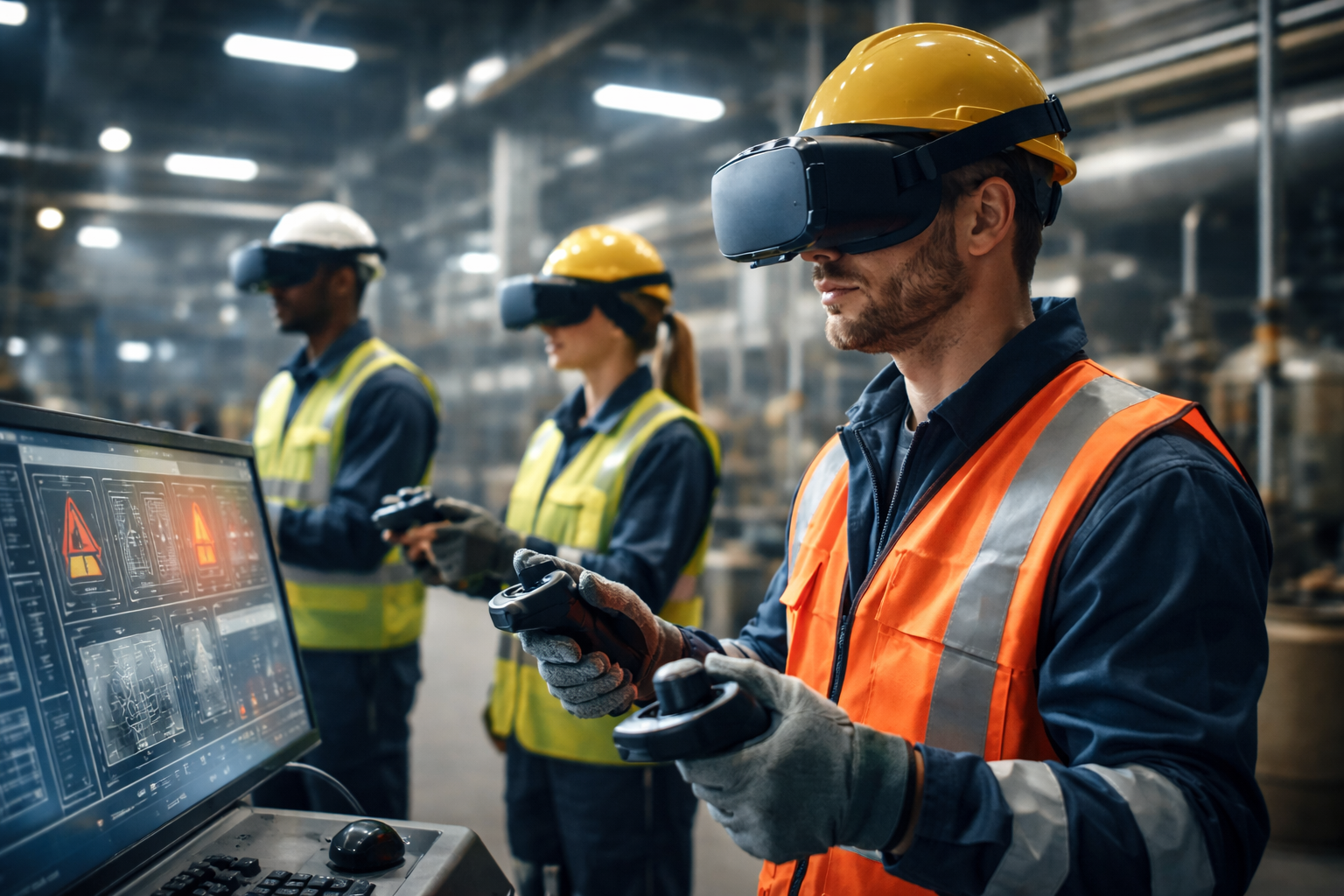
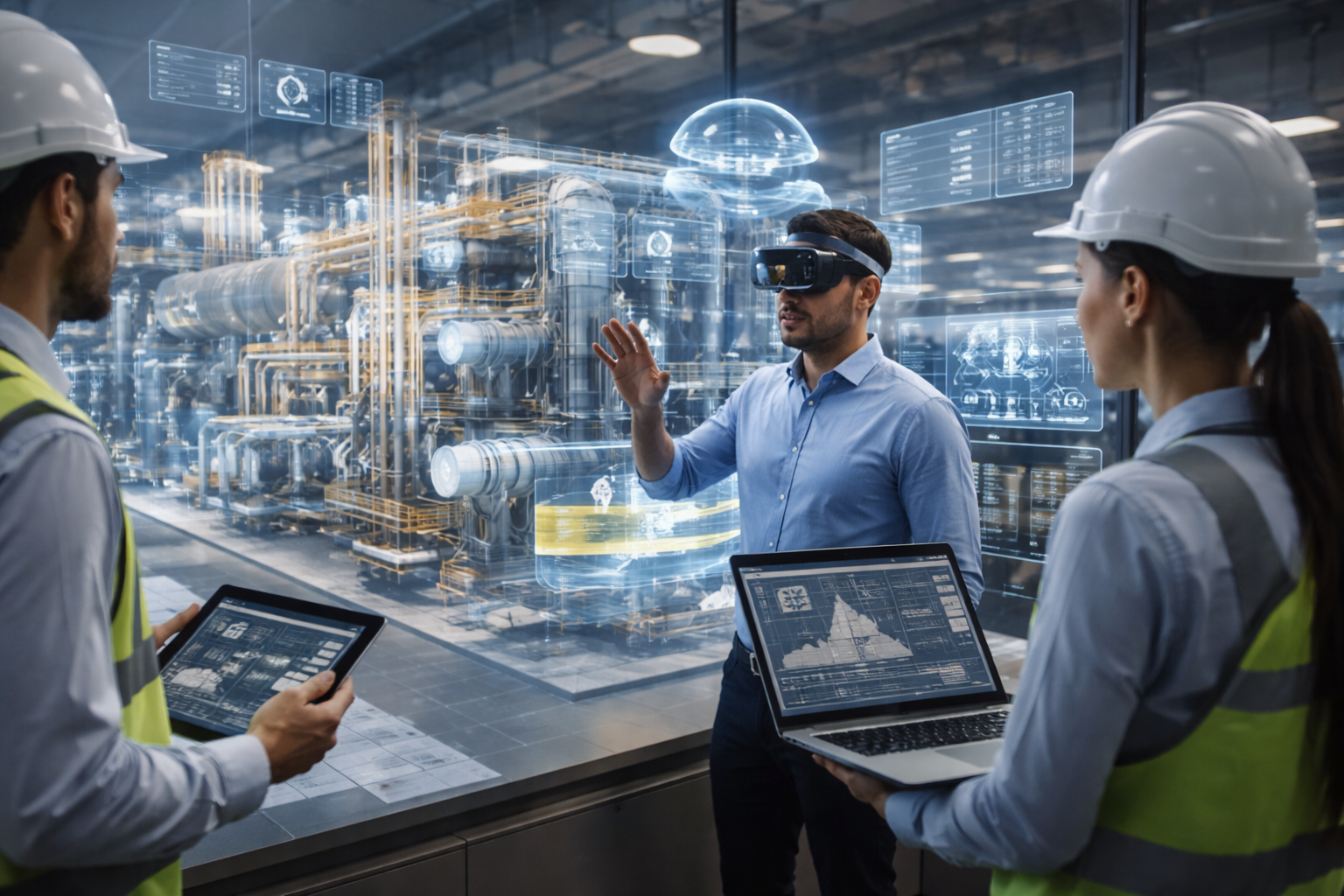
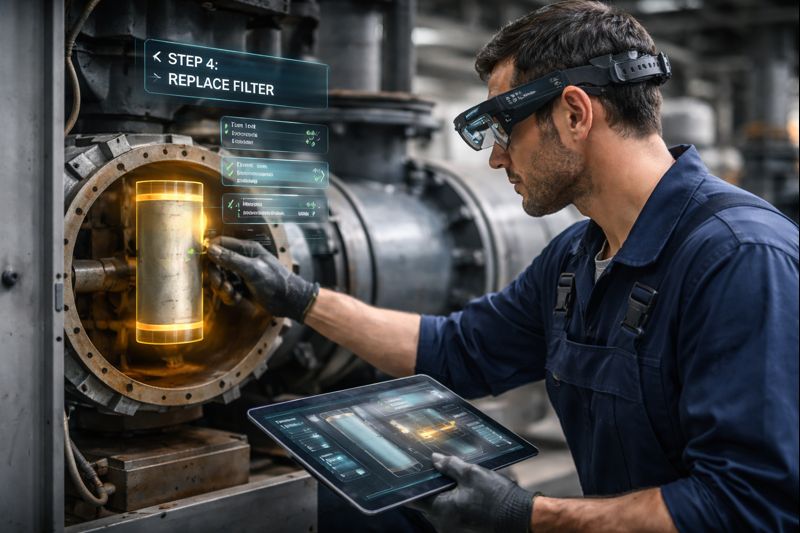
In professional training, VR is advancing how people prepare for real-world tasks by allowing them to practice in realistic, risk-free environments. Industries such as manufacturing, construction, healthcare, aviation, and emergency response use VR to simulate dangerous or high-pressure scenarios without putting people or equipment at risk. Trainees can repeat procedures, make mistakes, and receive immediate feedback, building confidence and muscle memory before performing tasks in real life. VR is also being used for soft skills training, such as communication, leadership, and customer interaction, by placing learners in lifelike scenarios with virtual characters. As VR hardware becomes more affordable and content easier to deploy at scale, it is becoming a practical and effective tool for improving learning outcomes, reducing training costs, and accelerating skill development across education and workforce training.