

AUGMENTED AND VIRTUAL REALITY FOR ARCHITECTURE

Immersive tools for architects and developers. From walkthrough-ready VR to AR site overlays and AI-assisted concept development, we help teams accelerate workflows and elevate client experiences.

IMMERSIVE TECHNOLOGIES BUILT FOR ARCHITECTS & DEVELOPERS

Immersive technologies are changing the way buildings are designed, reviewed, and approved. From walkthrough-ready VR to AR site overlays and AI-assisted concept development, we give architecture teams the tools they need to accelerate workflows and elevate client experiences.

  • Walking the Blueprint

    Virtual Reality is being widely adopted in architecture to allow designers, clients, and stakeholders to experience buildings at full scale before construction begins. Instead of relying solely on drawings or static renders, VR enables users to walk through spaces, assess proportions, lighting, materials, and sightlines, and identify design issues early in the process. This immersive review improves communication between architects and clients, reduces misunderstandings, and supports faster, more confident decision-making. Design changes can be evaluated immediately in context, which helps avoid costly revisions later in the construction phase.

    VR is also advancing internal workflows and collaboration within architectural teams. Architects can use VR to test design variations, explore complex spatial relationships, and coordinate with engineers and consultants in a shared virtual environment. For training and education, VR helps students and junior architects understand scale, structure, and human experience in ways that traditional plans cannot convey. By shifting design review from abstraction to experience, VR is helping the architecture industry deliver higher-quality designs with fewer surprises during construction.

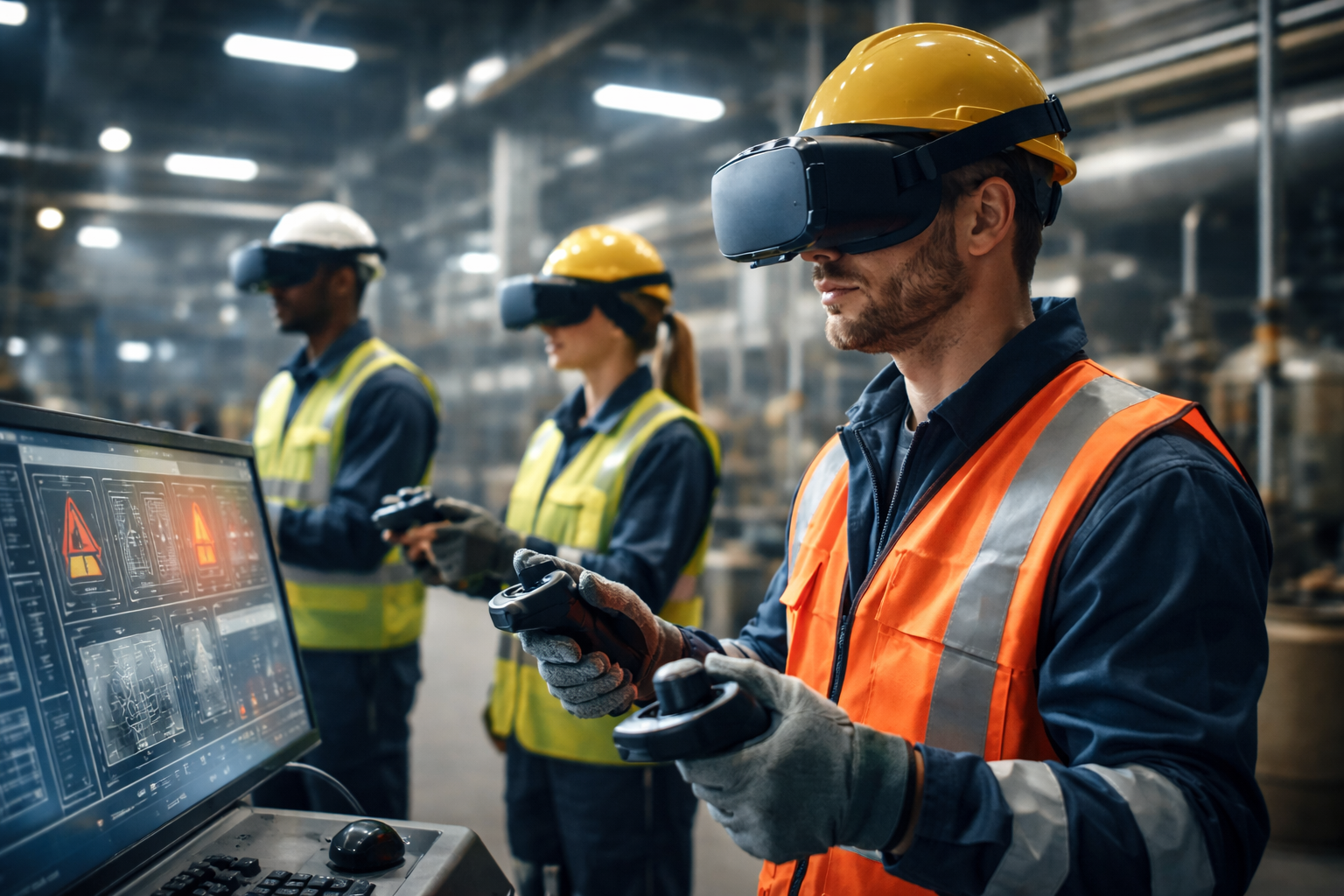
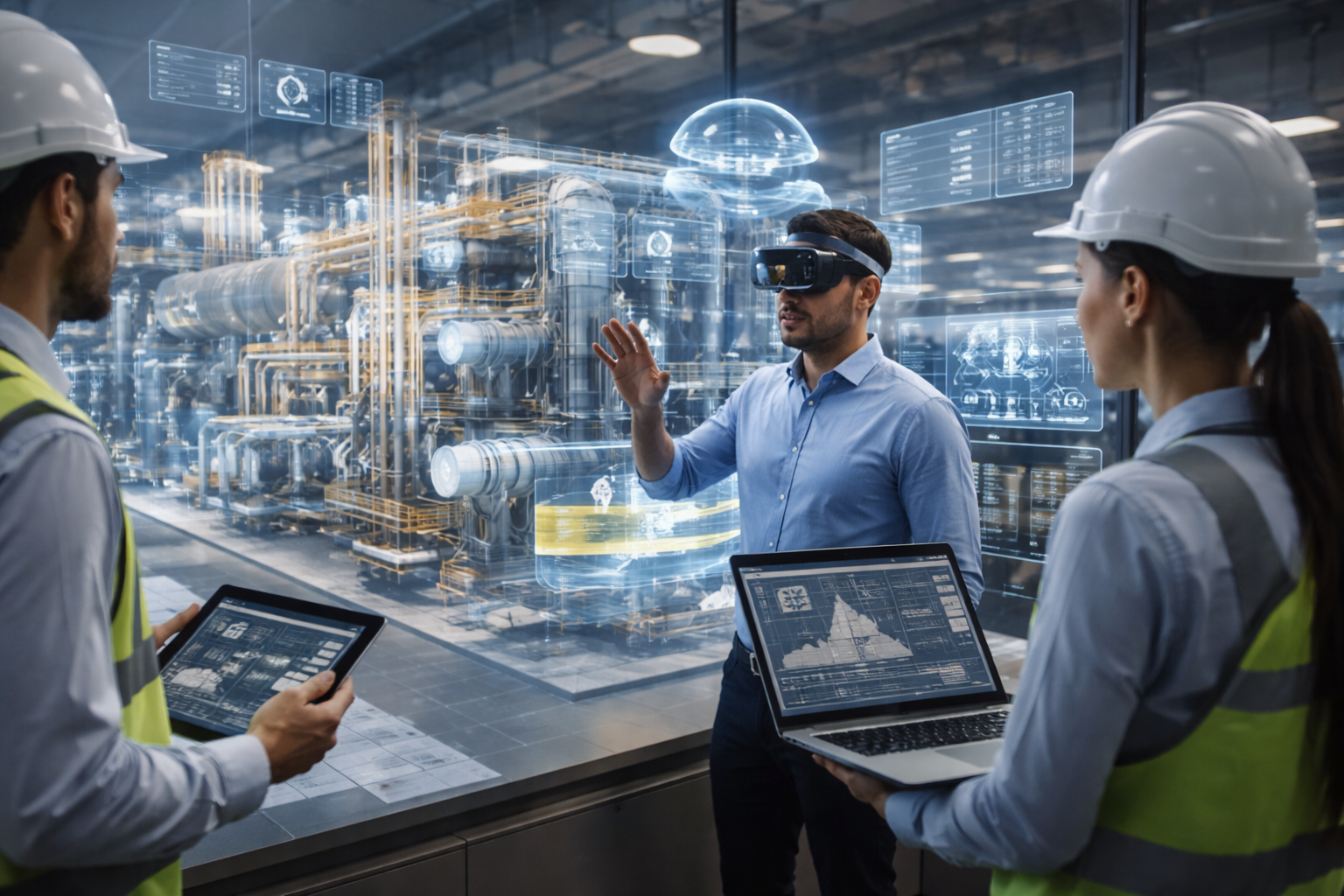
    Immersive training solutions
  • Design in Context

    Augmented Reality is transforming architectural workflows by overlaying digital building models onto real-world environments. On-site, architects and builders can use AR to visualize how a structure will sit within its surroundings, compare design intent to construction progress, and identify discrepancies in real time. AR also supports client engagement by allowing stakeholders to view proposed designs directly within existing spaces using mobile devices or tablets, making feedback more immediate and grounded in reality.

    Mixed Reality extends these capabilities by anchoring interactive 3D models into physical space with spatial awareness. Architects can manipulate models at true scale, review details collaboratively, and explore design changes while standing on-site or in studio environments. MR is especially valuable for coordination across disciplines, allowing architects, engineers, and contractors to align on complex details before they are built. As AR and MR tools become more accurate and accessible, they are pushing architecture toward more integrated, site-aware, and collaborative design processes.

    3D product and customer experiences
  • Smarter Design Decisions with AI

    Artificial intelligence is increasingly being used in architecture to enhance efficiency, creativity, and data-driven decision-making. AI tools can assist with early-stage design by generating layout options, optimizing space usage, and evaluating designs against constraints such as zoning rules, daylight access, and energy performance. This allows architects to explore more alternatives in less time while focusing their expertise on design intent and user experience. AI can also analyze historical project data to inform cost estimates, timelines, and risk assessments.

    Beyond design, AI supports documentation, analysis, and project management tasks that traditionally consume significant time. Automated drawing checks, code compliance reviews, and clash detection help reduce errors and rework. AI-driven insights can also support sustainability goals by modeling energy efficiency and material performance early in the design process. By reducing repetitive workload and improving predictive accuracy, AI enables architects to spend more time on creative problem-solving and strategic thinking.

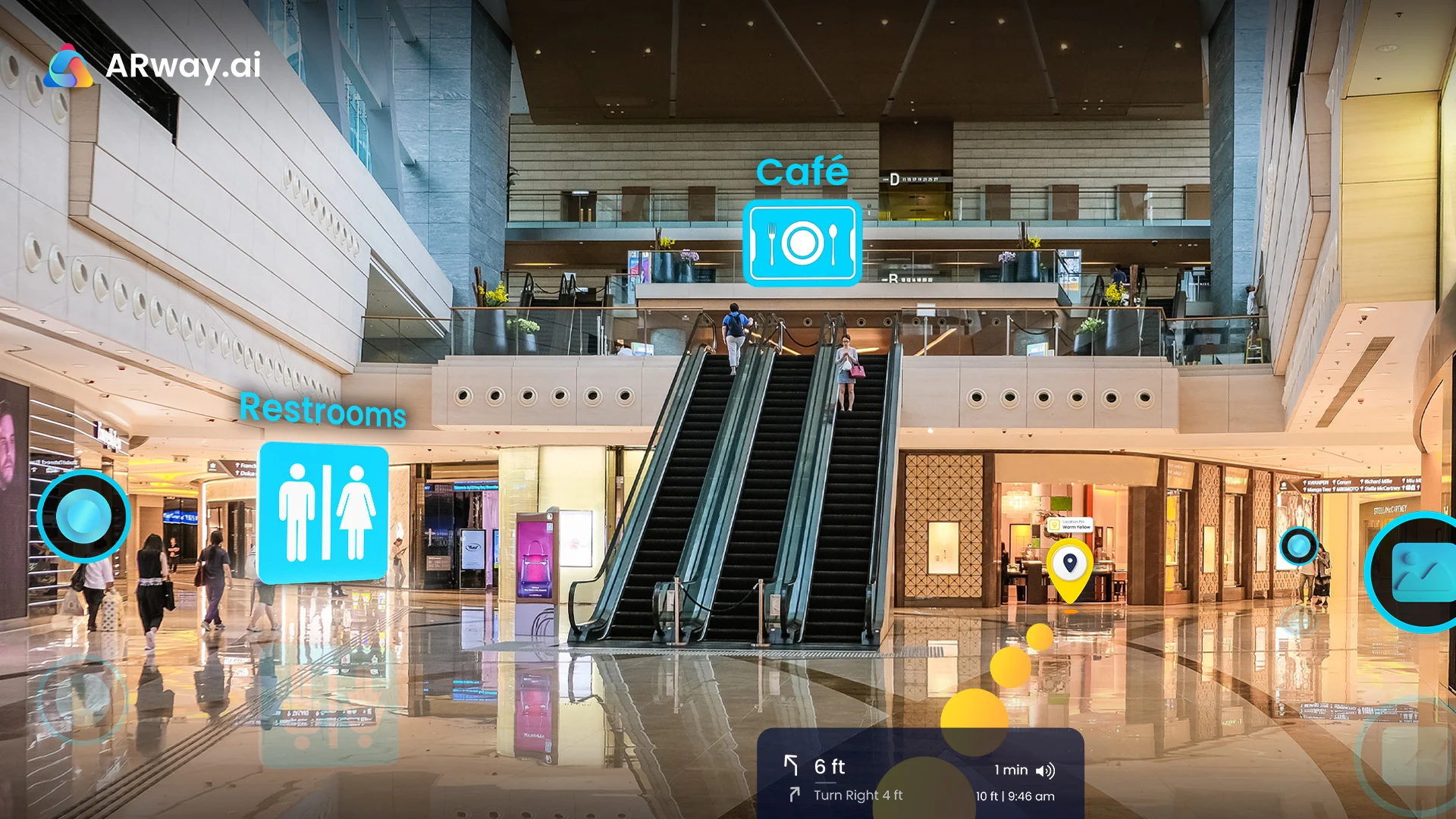
    Spatial tools for field teams
  • Architecture in the Browser

    The 3D web is changing how architectural designs are shared, reviewed, and understood by making interactive 3D experiences available directly through web browsers. Architects can publish models that clients and stakeholders can explore without specialized software, lowering technical barriers and improving accessibility. These browser-based experiences allow users to navigate spaces, inspect details, and understand scale more effectively than static images or PDFs. This is particularly valuable for remote collaboration and early-stage design reviews.

    The 3D web also supports digital twins, design comparison tools, and integration with project management platforms. Architectural teams can use web-based 3D environments to track design iterations, visualize construction phases, and communicate intent across disciplines. When combined with data layers and interactive elements, 3D web tools can support education, public consultation, and long-term building management. As web performance and graphics capabilities continue to improve, the 3D web is becoming a practical and scalable foundation for more transparent, collaborative, and interactive architectural workflows.

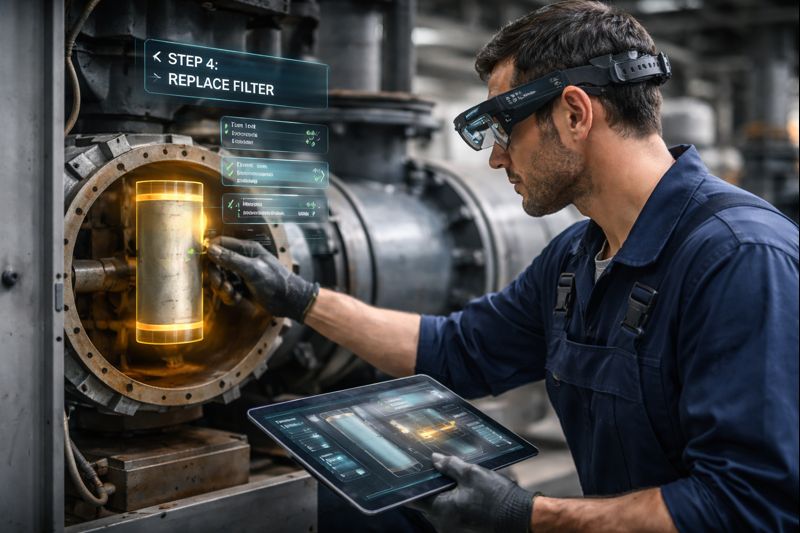
    AI insights and automation

Discover Our Projects & Client Results

We partner with innovators in construction, manufacturing, retail, and architecture to bring immersive solutions to life. From training to sales to operations.

How We Work With You To Deliver

Every organisation is at a different point in their XR and AI journey. Our process is designed to meet you where you are, whether you are exploring an idea, validating a concept, or scaling an existing solution.

01. Discovery & Strategy

We start by understanding your goals, users, operational context, and existing systems. Through collaborative workshops and conversations, we identify high value use cases, define clear success metrics, and establish a practical roadmap aligned to your business priorities.

02. Concept Design & Prototyping

We turn early ideas into simple visuals and hands-on demos that people can see and use. This helps everyone agree on what is being built, test ideas early, and fix issues before investing time and budget into full development.

03. Development & Integration

Our team builds the solution using production ready tools and proven workflows. This includes 3D content, interaction design, backend services, system integrations, and AI components. We deliver in structured milestones so progress is visible and testable throughout.

04. Deployment & Ongoing Support

We support deployment into real world environments and help ensure a smooth rollout. After launch, we can assist with feedback collection, performance optimisation, and iterative improvements, providing ongoing support if you need it.

Ready To Start A New Project?

Tell us about your idea, use case, or challenge and we will respond with clear options and recommended next steps. No jargon and no pressure.