IMMERSIVE XR & AI SOLUTIONS FOR HEALTHCARE

We design the future of healthcare. From simulation labs to operating theatres and remote clinics, our XR, 3D, and AI solutions help healthcare providers train clinicians, support decision-making, and engage patients in safer, smarter, and more human ways. Immersive technology is transforming the way healthcare is delivered, taught, and experienced. AI is enabling hospitals and educators to simulate high-risk scenarios, standardise training, and communicate complex information clearly. The result: better outcomes, more confident teams, and more efficient use of resources across the health system.

DIGITAL TECHNOLOGIES THAT SUPPORT HEALTHCARE

We partner with hospitals, universities, medical device companies, and digital health innovators to bring immersive solutions to life, spanning simulation training, patient education, clinical decision support and stakeholder engagement.

  • How Virtual Reality Is Transforming Modern Healthcare

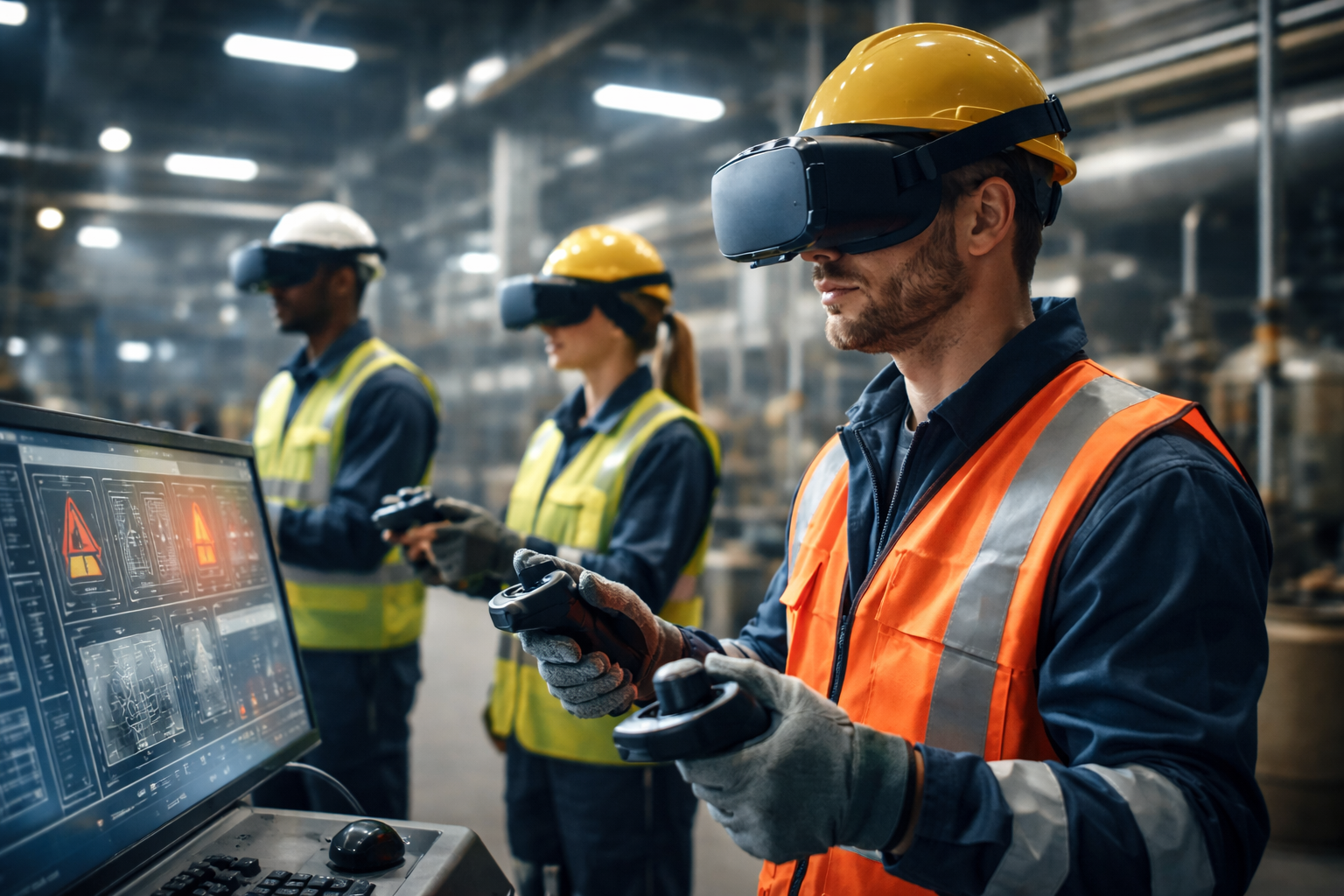
    Virtual reality is increasingly being adopted in the medical industry as a practical tool for training, treatment, and patient engagement. In medical education and surgical training, VR allows clinicians to practice procedures in realistic, risk-free environments, improving skills, confidence, and preparedness. Leading institutions such as Mayo Clinic have explored VR for surgical planning and rehearsal using patient-specific data, helping reduce errors and improve outcomes. VR is also used to enhance patient understanding by visualizing anatomy, conditions, and procedures in immersive 3D, which improves communication, informed consent, and reduces anxiety.

    Beyond training and education, VR is making a significant impact in therapy and rehabilitation. Immersive experiences are used for pain management by diverting attention during painful procedures, and in mental health treatment through controlled exposure therapy for conditions like PTSD and anxiety. In physical rehabilitation, VR turns repetitive exercises into interactive experiences, improving motivation while allowing clinicians to track progress through real-time data. With growing regulatory recognition from organizations such as the U.S. Food and Drug Administration, VR is shifting from experimental technology to an accepted component of modern healthcare, supporting more personalized, effective, and engaging models of care.

    Immersive training solutions
  • How Augmented and Mixed Reality Are Advancing Healthcare

    Augmented Reality (AR) is increasingly being used in the medical industry to enhance real-world environments with contextual, digital information that improves accuracy, speed, and decision-making. In surgical and clinical settings, AR can overlay medical imaging, such as CT or MRI data directly onto a patient’s body, helping surgeons visualize anatomy beneath the skin without looking away from the operating field. AR is also used for vein visualization, guided injections, and step-by-step procedural assistance, reducing errors and improving efficiency. In medical education, AR allows students to explore anatomy layered onto mannequins or real people, bridging the gap between textbooks and real-world practice.

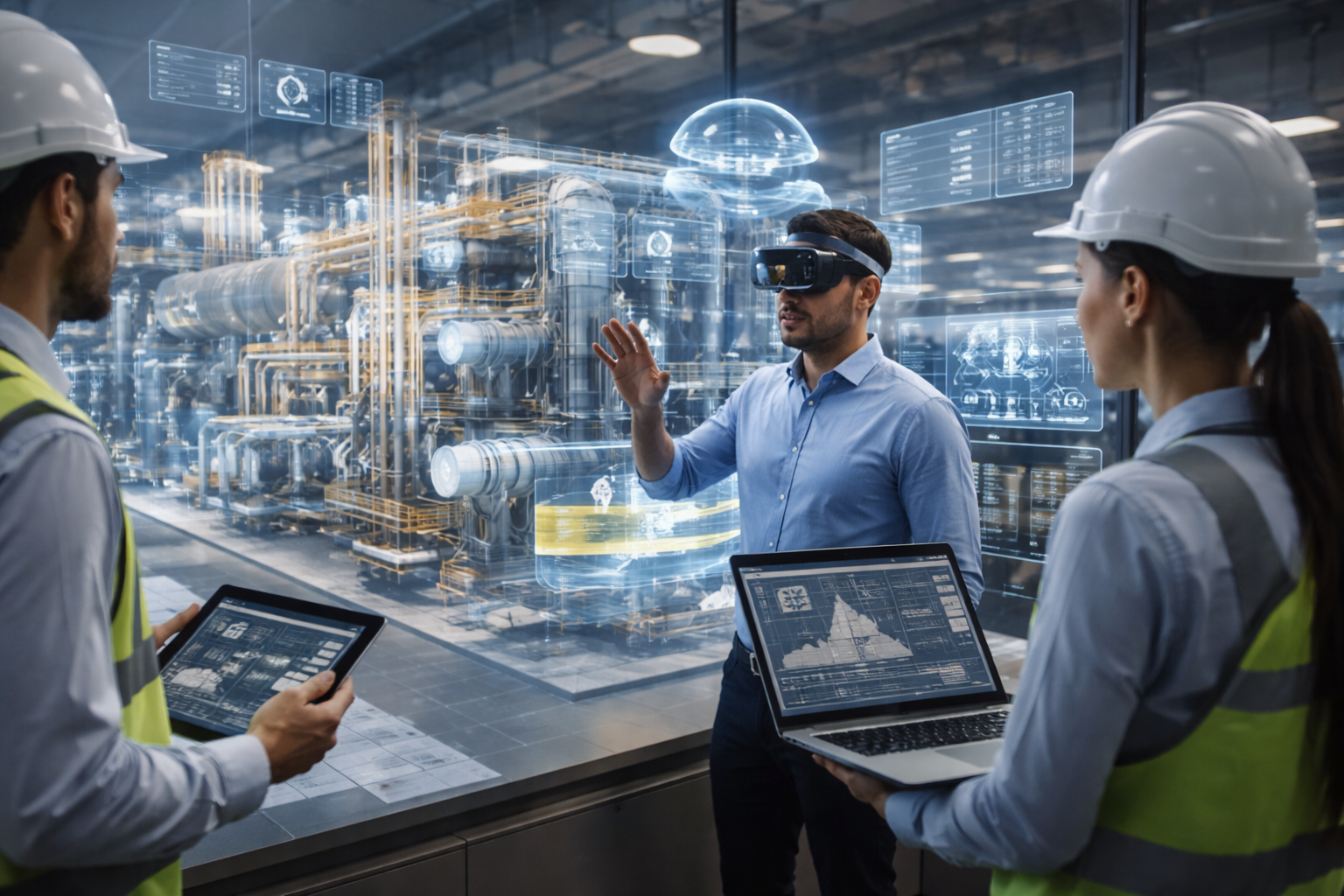
    Mixed Reality (MR), which blends digital content with the physical world in a spatially aware and interactive way, is pushing these capabilities even further. Using devices like Microsoft’s HoloLens, clinicians can interact with fully 3D medical models anchored in real space, walking around organs, manipulating them, and collaborating with remote specialists in real time. MR is especially valuable for complex surgical planning, team-based training, and remote assistance, where experts can see exactly what a clinician sees and provide guidance hands-free. As AR and MR hardware becomes lighter, more precise, better integrated with hospital systems and as regulators such as the U.S. Food and Drug Administration continue approving spatial computing tools, these technologies are becoming core components of modern, data-driven, and collaborative healthcare delivery.

    3D product and customer experiences
  • AI for Healthcare Operations & Care

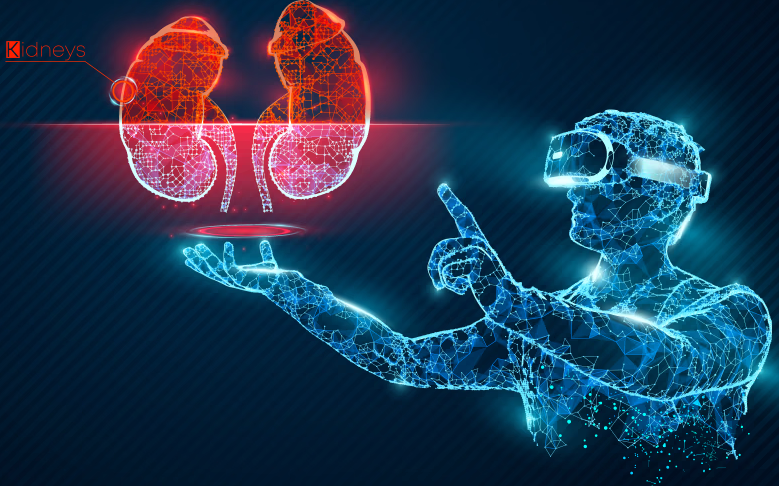
    AI augments clinical decision-making and streamlines operations, triaging cases, summarising records, generating documentation and surfacing relevant guidelines while clinicians work. Administrators benefit from demand forecasting, rostering optimisation and bottleneck identification.

    AI also powers smarter patient engagement, from chat-based symptom checkers and virtual navigators to personalised education and follow-up reminders. Combined with XR/3D, AI adapts training scenarios, generates visualisations and turns complex data into intuitive experiences.

    Spatial tools for field teams
  • 3D Web Technologies Are Advancing Healthcare

    3D web technologies are increasingly being used in the medical industry to make complex information accessible directly through a web browser, without the need for specialized software or high-end hardware. Using standards like WebGL and WebGPU, hospitals, educators, and medical technology providers can deliver interactive 3D anatomy models, medical device visualizations, and procedural walkthroughs that run on desktops, tablets, and even mobile devices. This makes medical education more scalable, allowing students and clinicians to explore anatomy, pathology, and treatment approaches remotely while interacting with realistic, manipulatable 3D content. For patient education, 3D web experiences help explain diagnoses and procedures visually, improving understanding and engagement compared to static images or diagrams.

    Beyond education, 3D web platforms are being applied to planning, collaboration, and operational workflows. Clinicians can review 3D scans, explore reconstructed anatomy, or evaluate treatment plans collaboratively in real time, even when teams are distributed across different locations. Hospitals and healthcare systems are also using browser-based 3D tools for facility planning, equipment layout, and training simulations that can be updated and deployed instantly. Because 3D web solutions are device-agnostic and easy to integrate with existing systems, they lower the barrier to adoption while enabling richer visualization and interaction. As browsers continue to improve performance and graphics capabilities, 3D web is becoming a practical and cost-effective foundation for interactive healthcare tools that support learning, communication, and decision-making.

    AI insights and automation

Discover Our Projects & Client Results

We partner with innovators in construction, manufacturing, retail, and architecture to bring immersive solutions to life. From training to sales to operations.

How We Work With You To Deliver

Every organisation is at a different point in their XR and AI journey. Our process is designed to meet you where you are, whether you are exploring an idea, validating a concept, or scaling an existing solution.

01. Discovery & Strategy

We start by understanding your goals, users, operational context, and existing systems. Through collaborative workshops and conversations, we identify high value use cases, define clear success metrics, and establish a practical roadmap aligned to your business priorities.

02. Concept Design & Prototyping

We turn early ideas into simple visuals and hands-on demos that people can see and use. This helps everyone agree on what is being built, test ideas early, and fix issues before investing time and budget into full development.

03. Development & Integration

Our team builds the solution using production ready tools and proven workflows. This includes 3D content, interaction design, backend services, system integrations, and AI components. We deliver in structured milestones so progress is visible and testable throughout.

04. Deployment & Ongoing Support

We support deployment into real world environments and help ensure a smooth rollout. After launch, we can assist with feedback collection, performance optimisation, and iterative improvements, providing ongoing support if you need it.

Ready To Start A New Project?

Tell us about your idea, use case, or challenge and we will respond with clear options and recommended next steps. No jargon and no pressure.