IMMERSIVE XR & AI SOLUTIONS FOR ENERGY BUSINESSES

Immersive technology is changing how the energy sector designs, operates and maintains high-risk assets. Using VR, AR, MR, 3D Web and AI, frontline teams can rehearse hazardous procedures in safe virtual environments, while engineers and controllers explore digital twins of plants, substations and wind farms in real time. From offshore platforms and refineries to transmission networks and solar fields, spatial computing helps reduce incidents, shorten outages and extend asset life. Combined with AI, digital twins and live sensor data, XR gives energy businesses the situational awareness they need to plan, respond and invest with confidence.

DIGITAL TECHNOLOGIES THAT IMPROVE ENERGY OPERATIONS

We help energy utilities, oil & gas operators and renewable asset owners use AR, VR, MR, 3D Web and AI to deliver safer training, smarter maintenance and live digital twins of critical infrastructure.

  • How Virtual Reality Is Advancing the Energy Industry

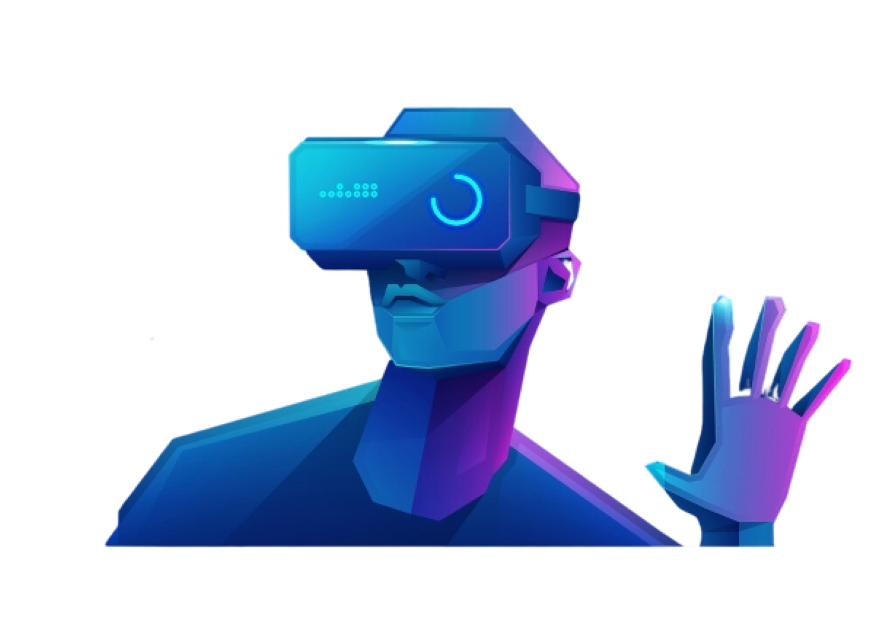
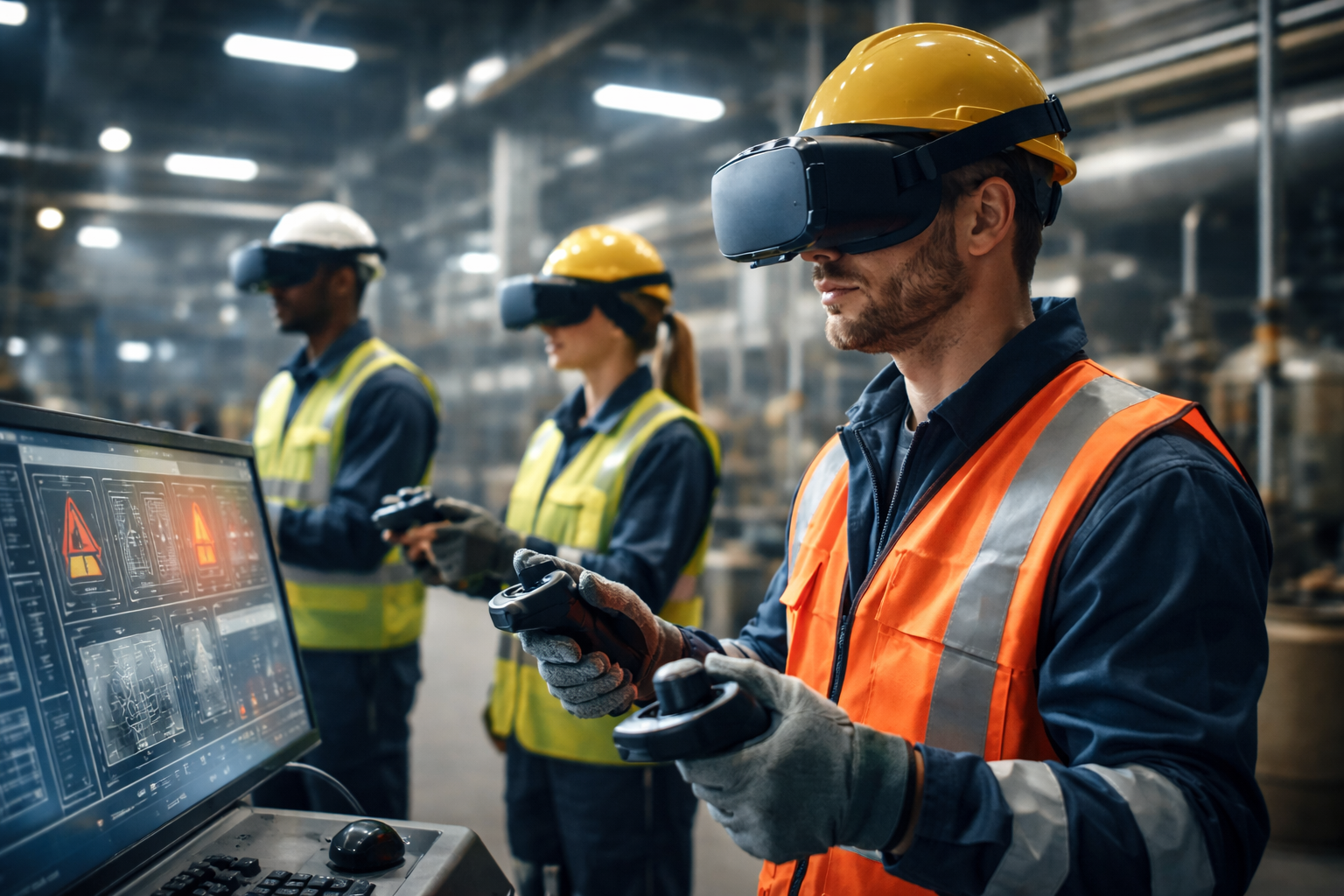
    Virtual reality is being used across the energy industry to design, test, and optimize complex systems before they are built or modified. Engineers can immerse themselves in virtual power plants, substations, wind farms, and offshore platforms to better understand spatial layouts, equipment access, and maintenance constraints. This immersive planning helps identify safety hazards, inefficiencies, and design conflicts early, reducing costly changes during construction or upgrades. VR also supports scenario testing, allowing teams to simulate extreme weather events, load changes, or emergency shutdowns in a controlled environment.

    Training is another major driver of VR adoption in energy. Operators and technicians can practice high-risk procedures such as working at height, handling high-voltage equipment, or responding to failures without exposing themselves to danger. These realistic simulations improve muscle memory, situational awareness, and decision-making under pressure. As energy infrastructure becomes more complex and distributed, VR provides a scalable way to upskill workers and maintain consistent training standards across regions.

    Immersive training solutions
  • Digital Guidance in High-Risk Environments

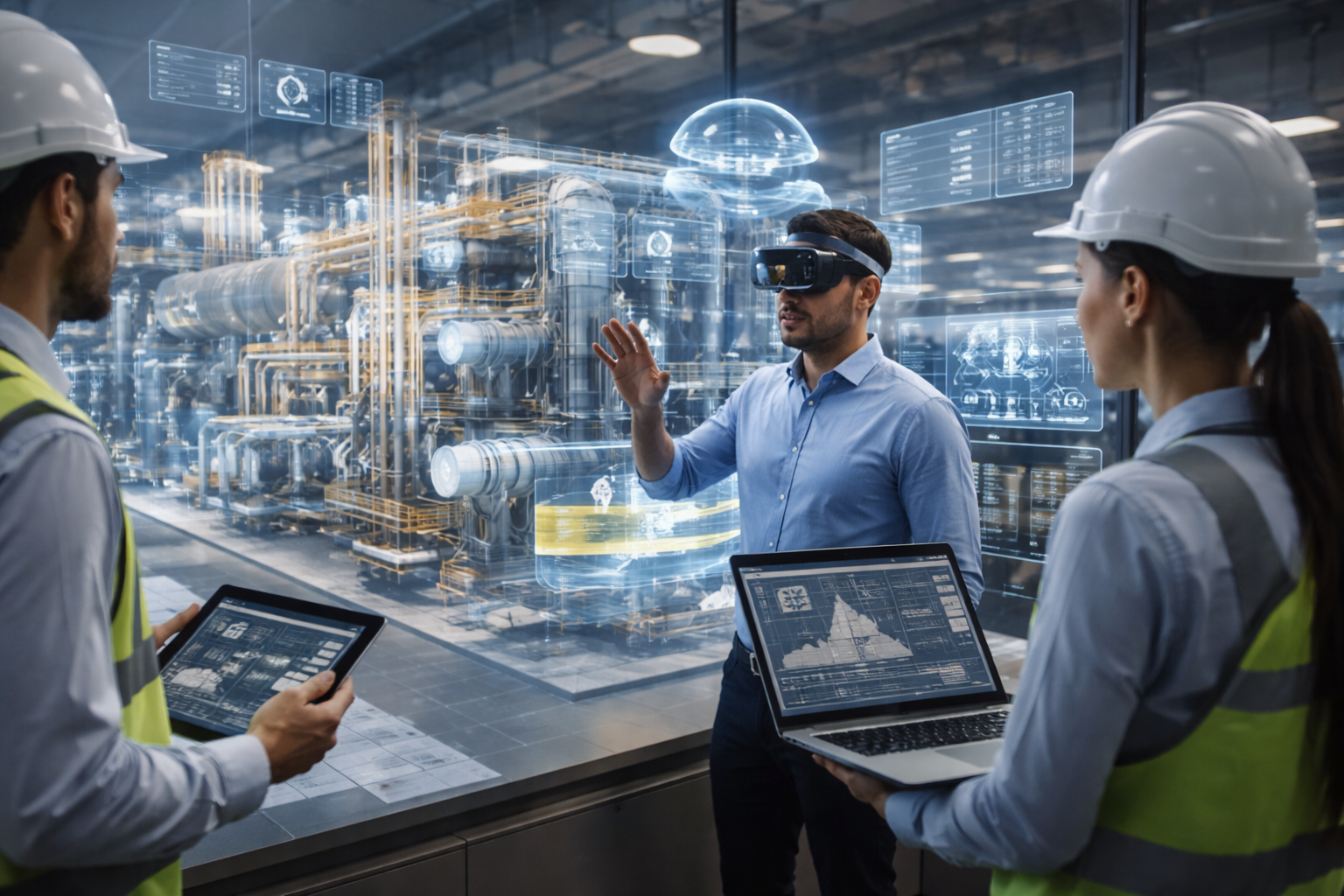
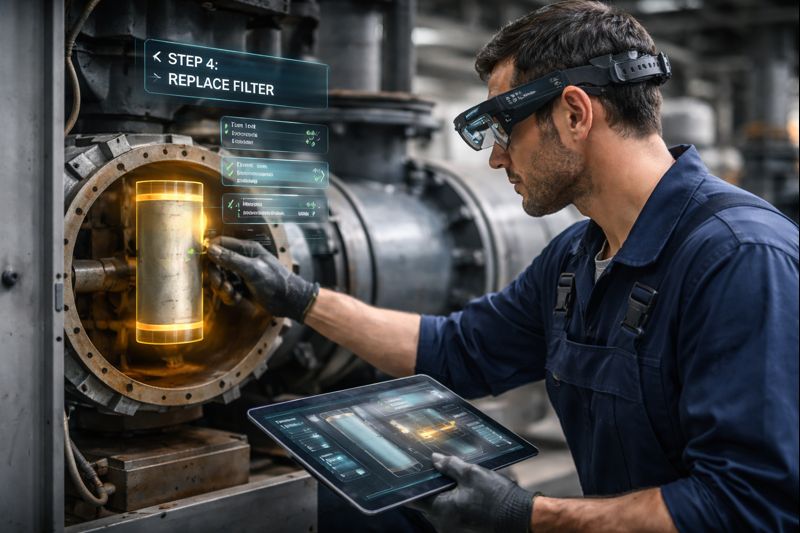
    Augmented and mixed reality are bringing critical information directly into the field for energy workers. Technicians can see live data, schematics, and step-by-step instructions overlaid onto turbines, transformers, pipelines, or solar arrays. This reduces reliance on paper manuals and remote calls, allowing tasks to be completed more accurately and efficiently. AR is especially valuable in remote or hazardous locations where mistakes are costly and access to expert support is limited.

    Mixed reality also improves collaboration between field teams and experts off-site. Engineers can remotely see what a technician sees and place digital annotations in the worker’s physical environment. This shared context accelerates troubleshooting and reduces downtime for critical assets. By combining real-world awareness with digital insight, AR and MR help energy companies improve safety, shorten maintenance cycles, and keep infrastructure operating reliably.

    3D product and customer experiences
  • How AI Can Push the Energy Industry Forward

    Artificial intelligence is reshaping how energy systems are planned, operated, and maintained. AI models can analyze massive volumes of data from sensors, meters, and control systems to predict equipment failures and optimize maintenance schedules. This predictive approach reduces unplanned outages, extends asset life, and lowers operating costs. In generation and transmission, AI helps balance supply and demand more effectively by accounting for weather patterns, consumption trends, and grid constraints.

    AI is also critical for integrating renewable energy at scale. Machine learning improves forecasting for wind and solar output, enabling grids to adapt dynamically to variable generation. In energy markets, AI supports pricing optimization, load forecasting, and demand response strategies. As the energy transition accelerates, AI provides the intelligence needed to manage increasingly complex and decentralized systems with greater efficiency and resilience.

    Spatial tools for field teams
  • Making Energy Systems Visible and Accessible

    The 3D web allows energy assets and systems to be explored interactively through a standard web browser. Power plants, substations, renewable installations, and transmission networks can be visualized in 3D without specialized software. This makes it easier for engineers, executives, regulators, and the public to understand infrastructure, project progress, and operational constraints. Improved accessibility leads to better communication and faster alignment across stakeholders.

    Looking forward, the 3D web can support lightweight digital twins that combine real-time data with spatial context. Live sensor readings, maintenance records, and performance metrics can be visualized directly on 3D representations of energy assets. This creates a shared operational view that supports planning, monitoring, and decision-making. By bringing energy infrastructure into the open, interactive web, the industry can improve transparency, collaboration, and system-wide understanding.

    AI insights and automation

Discover Our Projects & Client Results

We partner with innovators in construction, manufacturing, retail, and architecture to bring immersive solutions to life. From training to sales to operations.

How We Work With You To Deliver

Every organisation is at a different point in their XR and AI journey. Our process is designed to meet you where you are, whether you are exploring an idea, validating a concept, or scaling an existing solution.

01. Discovery & Strategy

We start by understanding your goals, users, operational context, and existing systems. Through collaborative workshops and conversations, we identify high value use cases, define clear success metrics, and establish a practical roadmap aligned to your business priorities.

02. Concept Design & Prototyping

We turn early ideas into simple visuals and hands-on demos that people can see and use. This helps everyone agree on what is being built, test ideas early, and fix issues before investing time and budget into full development.

03. Development & Integration

Our team builds the solution using production ready tools and proven workflows. This includes 3D content, interaction design, backend services, system integrations, and AI components. We deliver in structured milestones so progress is visible and testable throughout.

04. Deployment & Ongoing Support

We support deployment into real world environments and help ensure a smooth rollout. After launch, we can assist with feedback collection, performance optimisation, and iterative improvements, providing ongoing support if you need it.

Ready To Start A New Project?

Tell us about your idea, use case, or challenge and we will respond with clear options and recommended next steps. No jargon and no pressure.