Cool Ideas for Using Web AR in Retail
Web-based Augmented Reality, commonly referred to as Web AR, is reshaping how retailers connect with customers across both digital and physical touchpoints. By eliminating the need for native app downloads, Web AR allows brands to deliver immersive, interactive experiences instantly through a standard web browser. This dramatically lowers friction and increases adoption, especially for first-time users.
This case study explores practical, high-impact ways retailers are using Web AR to improve customer confidence, reduce product returns, and drive deeper engagement throughout the buying journey. Each example highlights how Web AR can be integrated directly into existing retail workflows without adding technical or logistical complexity.
Virtual Try-On (Clothing, Shoes, Glasses)
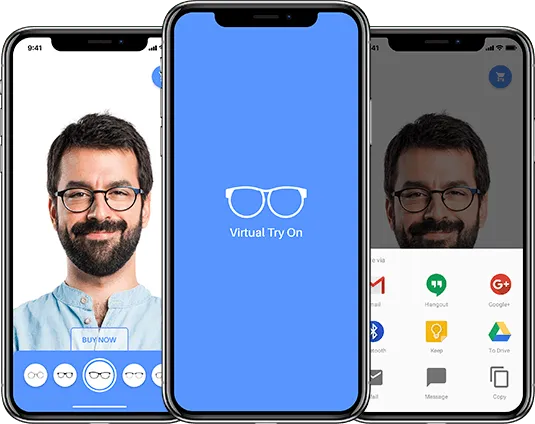
Virtual try-on experiences allow customers to see products on themselves in real time using their smartphone camera. Shoppers can try on glasses, hats, shoes, or accessories directly from a product page, marketing email, or QR code, without needing to visit a fitting room or install an app.
These experiences address one of the biggest challenges in online retail, which is uncertainty around fit and appearance. By allowing customers to visualize products on their own body, Web AR reduces hesitation, shortens the decision-making process, and significantly lowers return rates caused by unmet expectations.
Product-in-Room Preview (Furniture & Decor)
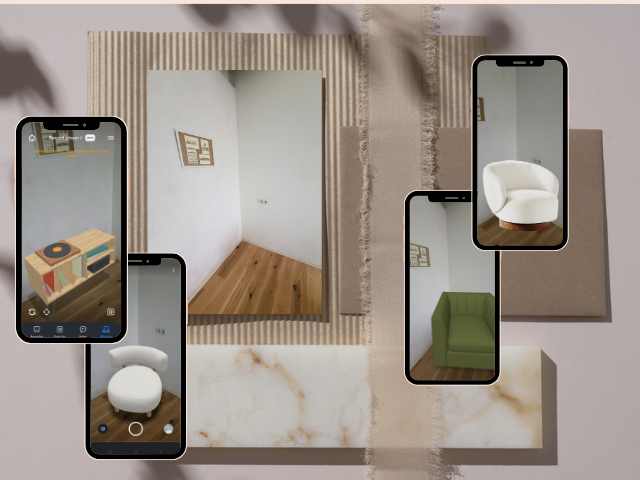
Product-in-room previews enable customers to place life-sized furniture and decor items directly into their physical environment using AR. Sofas, tables, lamps, artwork, and even large appliances can be positioned accurately to test scale, layout, and visual balance within a room.
This experience answers critical pre-purchase questions such as whether an item will fit, how it complements existing decor, and how it impacts room flow. For retailers, this leads to higher buyer confidence, fewer costly returns, and increased conversion rates for high-value items.
Interactive Packaging (Scan to Unlock Content)
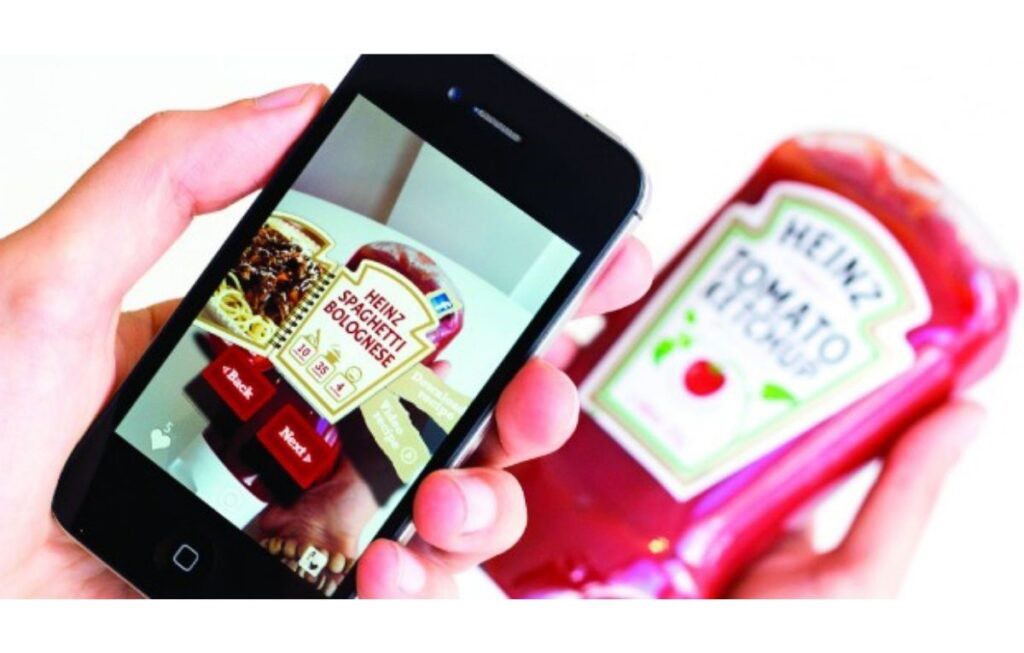
Interactive packaging transforms physical products into digital engagement points. By scanning packaging with a smartphone, customers can unlock Web AR experiences such as 3D product visualizations, step-by-step usage instructions, ingredient breakdowns, recipes, or behind-the-scenes brand stories.
This approach is particularly effective for consumer packaged goods, cosmetics, and food brands. It extends the customer experience beyond the shelf, adds value after purchase, and creates memorable moments that reinforce brand trust and loyalty.
Guided In-Store AR Experiences
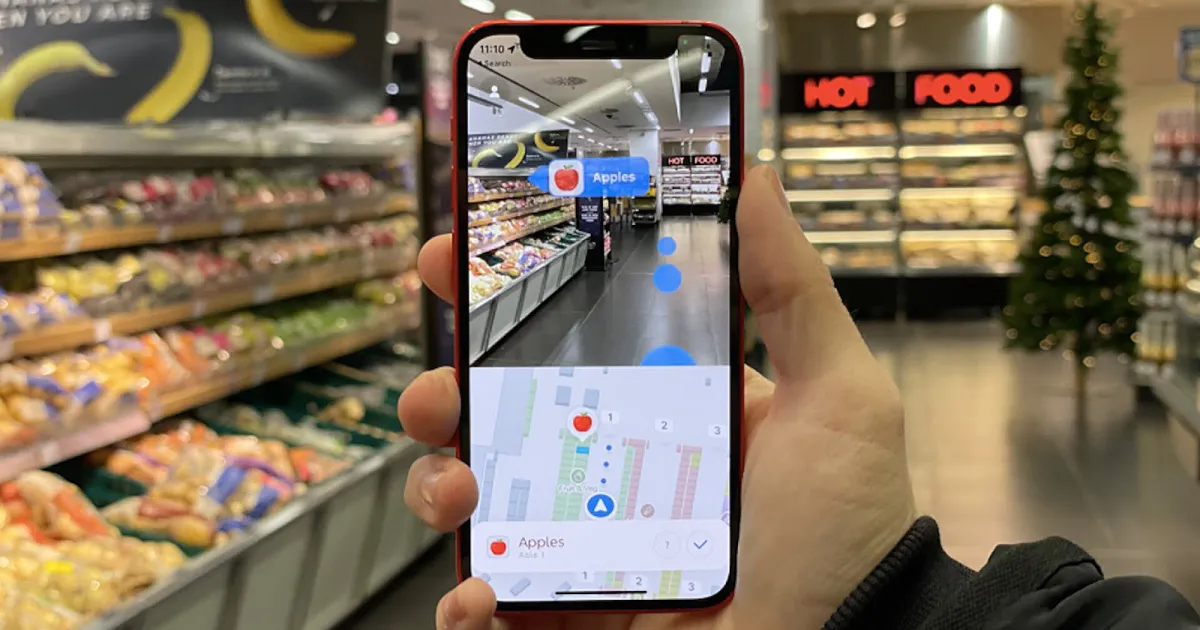
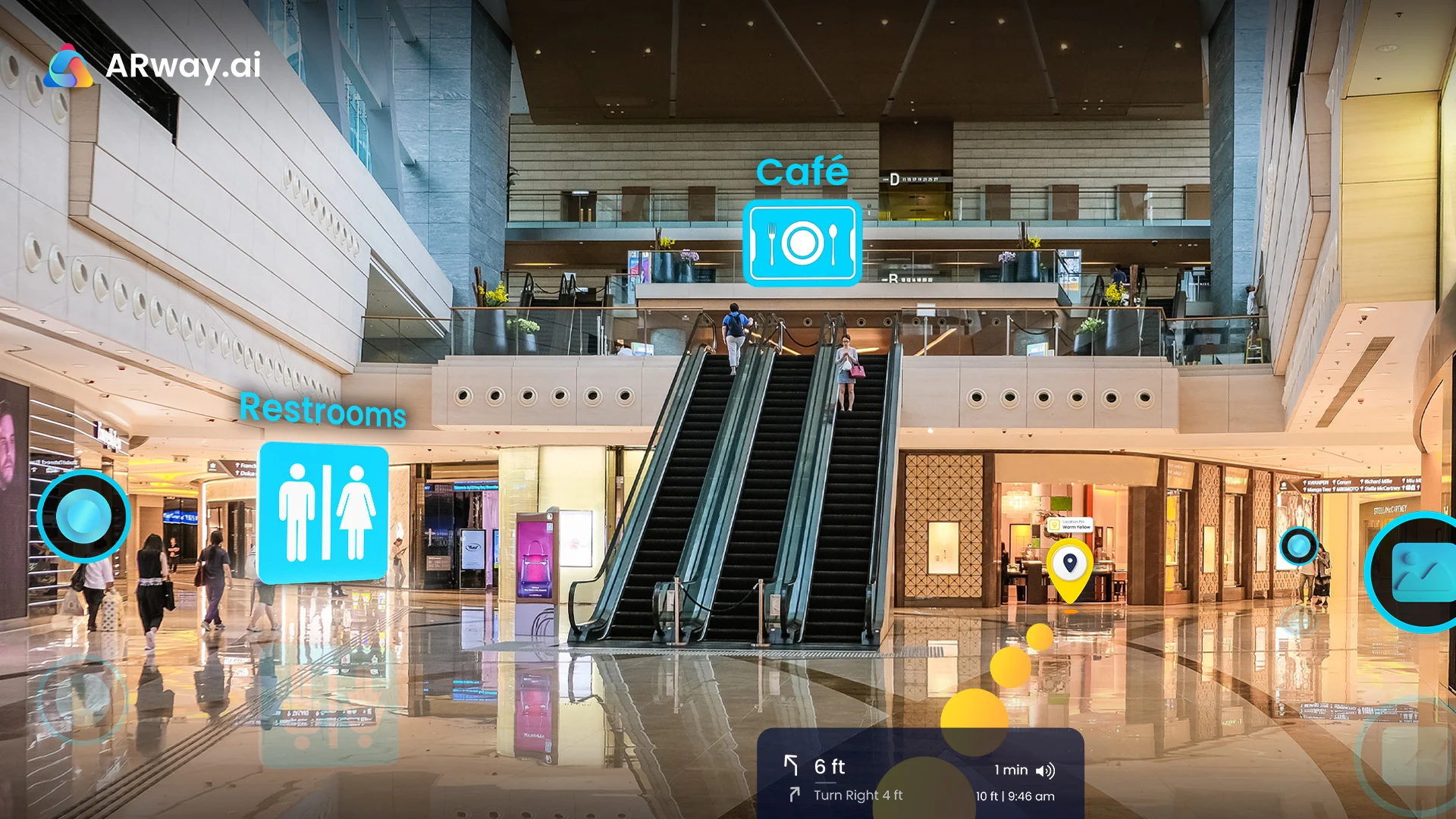
Guided in-store Web AR experiences help customers navigate physical retail spaces using their smartphones. By scanning signage or QR codes, shoppers can access AR overlays that highlight promotions, provide product details, compare options, or guide them to specific aisles and displays.
These experiences function as a digital sales assistant that is always available. They reduce friction for shoppers, ease the burden on store staff, and allow retailers to update messaging, promotions, and product information in real time without changing physical signage.
AR Product Customization
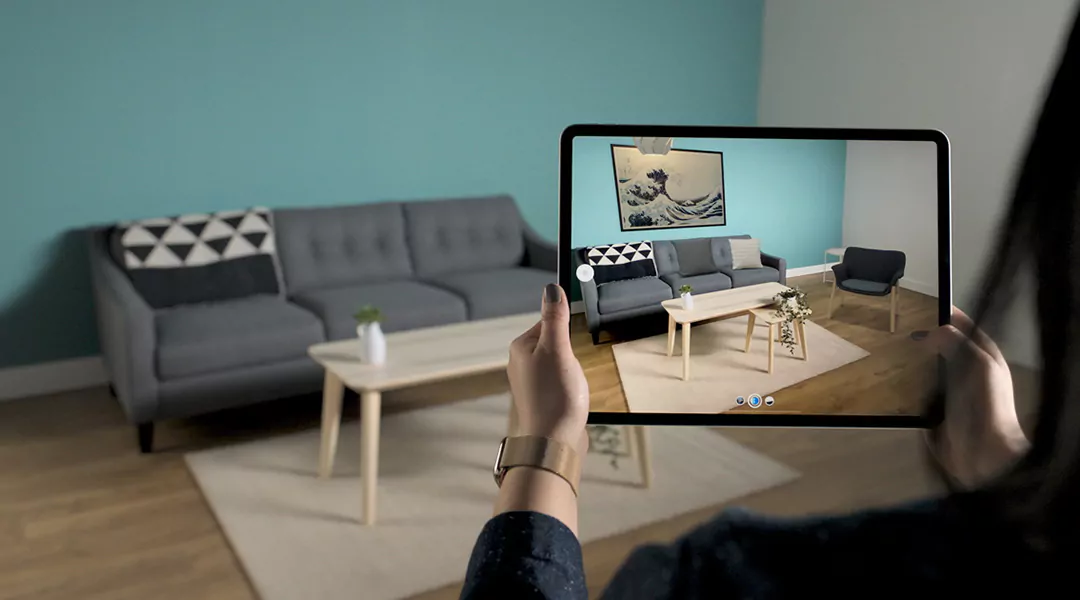
AR product customization allows customers to personalize items such as furniture, footwear, or accessories by changing colors, materials, finishes, or optional features and seeing the results instantly in AR.
This level of interactivity increases engagement and encourages customers to explore premium options with greater confidence. When shoppers can clearly visualize a customized product before purchasing, they are more likely to complete the transaction and select higher-value configurations.
Web AR Loyalty & Gamification
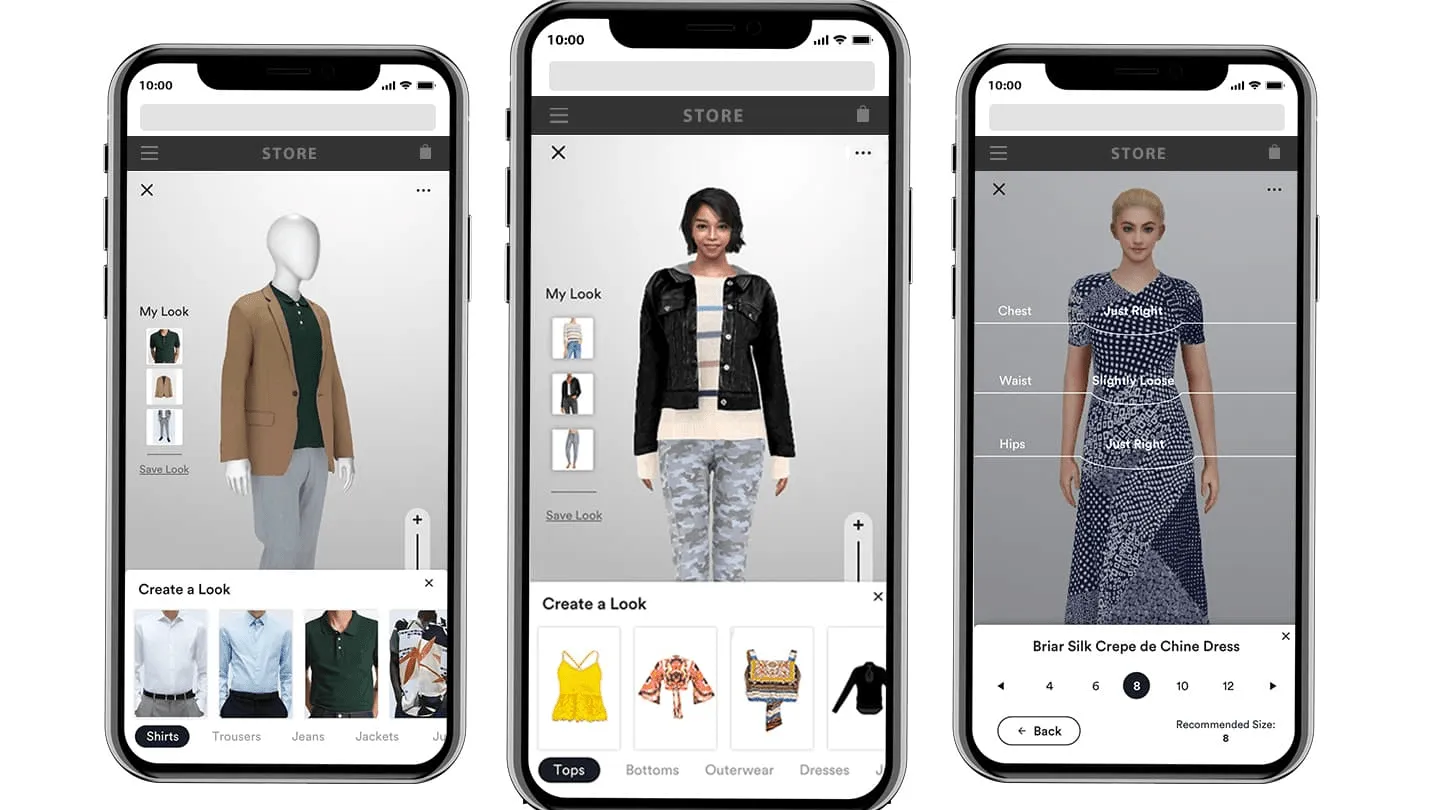
Retailers are increasingly using Web AR to power gamified loyalty experiences such as scavenger hunts, hidden rewards, and interactive challenges. Customers can discover virtual items in-store or at home to unlock discounts, earn points, or access exclusive content.
These campaigns encourage repeat visits, longer dwell times, and organic social sharing. By turning shopping into an engaging experience rather than a simple transaction, Web AR helps brands build stronger emotional connections with their audience.
AR "How It Works" Demos

“How it works” AR demos allow customers to explore products in greater depth through animated exploded views, guided walkthroughs, and interactive visual explanations of internal components.
This is especially valuable for complex products such as electronics, appliances, tools, and fitness equipment. By clearly demonstrating functionality and setup, Web AR reduces confusion, lowers support requests, and gives buyers the confidence they need to move forward with a purchase.
Conclusion
Web AR has moved beyond novelty and is now a practical, results-driven tool for modern retail. It improves customer understanding, reduces friction throughout the buying journey, and delivers immersive experiences that are instantly accessible through the web.
From virtual try-ons and product visualization to interactive packaging and in-store guidance, Web AR enables retailers to meet customers where they are. By blending physical and digital experiences seamlessly, brands can create more informed, confident, and engaged shoppers at every stage of the retail experience.