IMMERSIVE XR & AI SOLUTIONS FOR TOURISM & ATTRACTIONS

We help destinations, museums and tourism operators create unforgettable digital experiences with AR, VR, 3D Web and AI. From virtual tours and immersive exhibitions to AR wayfinding, interactive maps and AI-powered guest engagement, spatial technology brings places to life before visitors arrive and while they explore.

DIGITAL TECHNOLOGIES THAT ELEVATE VISITOR EXPERIENCES

Create engaging, accessible and memorable experiences, from heritage storytelling and museum exhibits to destination wayfinding and outdoor adventures.

  • Travel Before You Go

    Virtual Reality is being used in the travel and tourism industry to let people experience destinations, accommodations, and attractions before they ever book a trip. Travelers can take immersive virtual tours of hotels, resorts, cruise ships, museums, and landmarks, helping them make more confident decisions and set realistic expectations. Tourism boards and travel companies use VR to showcase destinations in a highly emotional and memorable way, allowing users to explore environments, activities, and cultural experiences from anywhere in the world. This is especially valuable for long-haul, luxury, or once-in-a-lifetime trips where trust and inspiration play a major role in booking decisions.

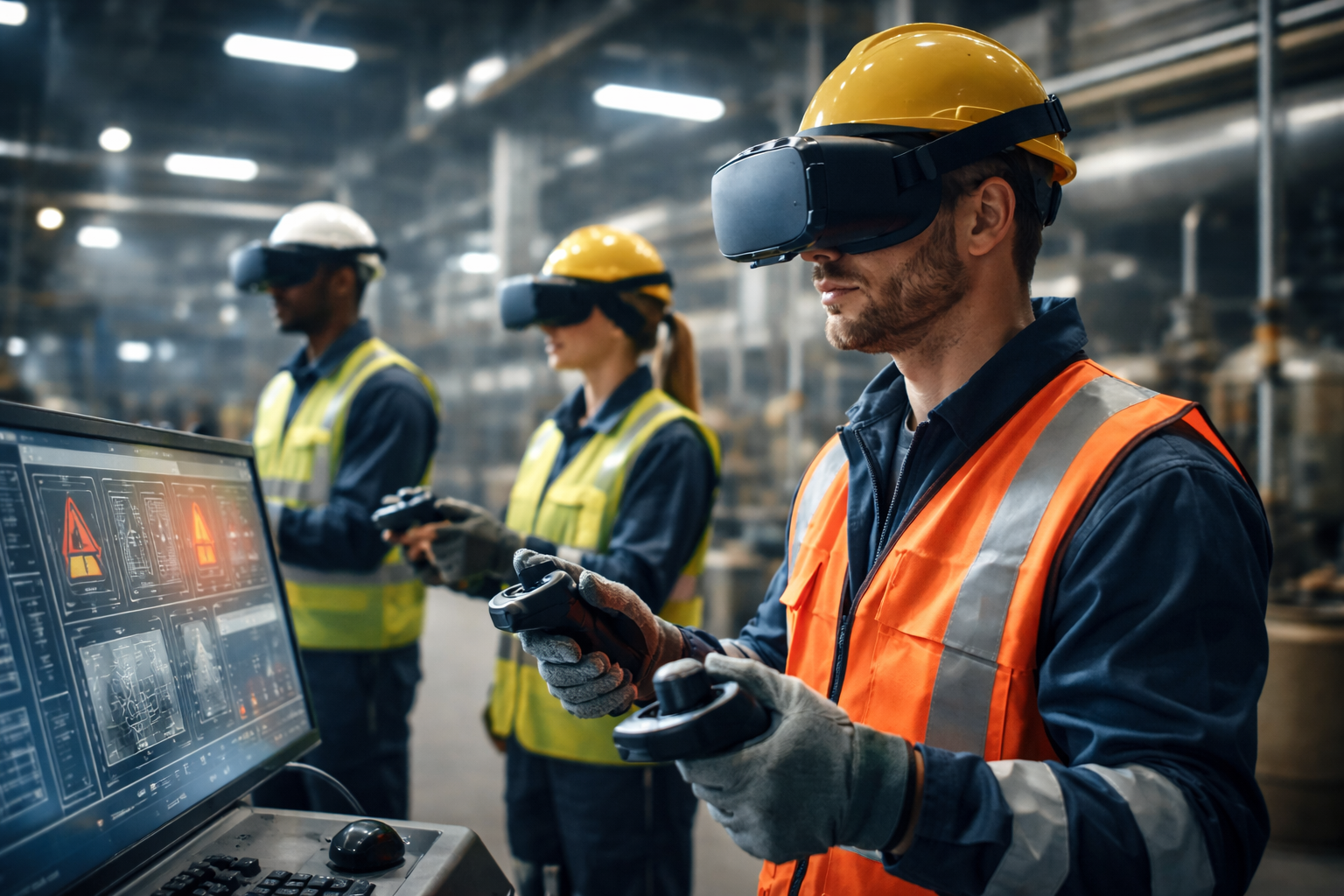
    Beyond marketing, VR is also being adopted for training and accessibility. Airlines, hotels, and tour operators use VR to train staff in customer service, safety procedures, and cultural awareness through realistic simulations. VR also enables virtual travel experiences for people who are unable to travel due to physical, financial, or time constraints, expanding tourism access to new audiences. By blending inspiration, education, and operational efficiency, VR is helping the travel industry engage customers earlier, train staff more effectively, and create richer pre-travel experiences.

    Immersive training solutions
  • Travel in Context

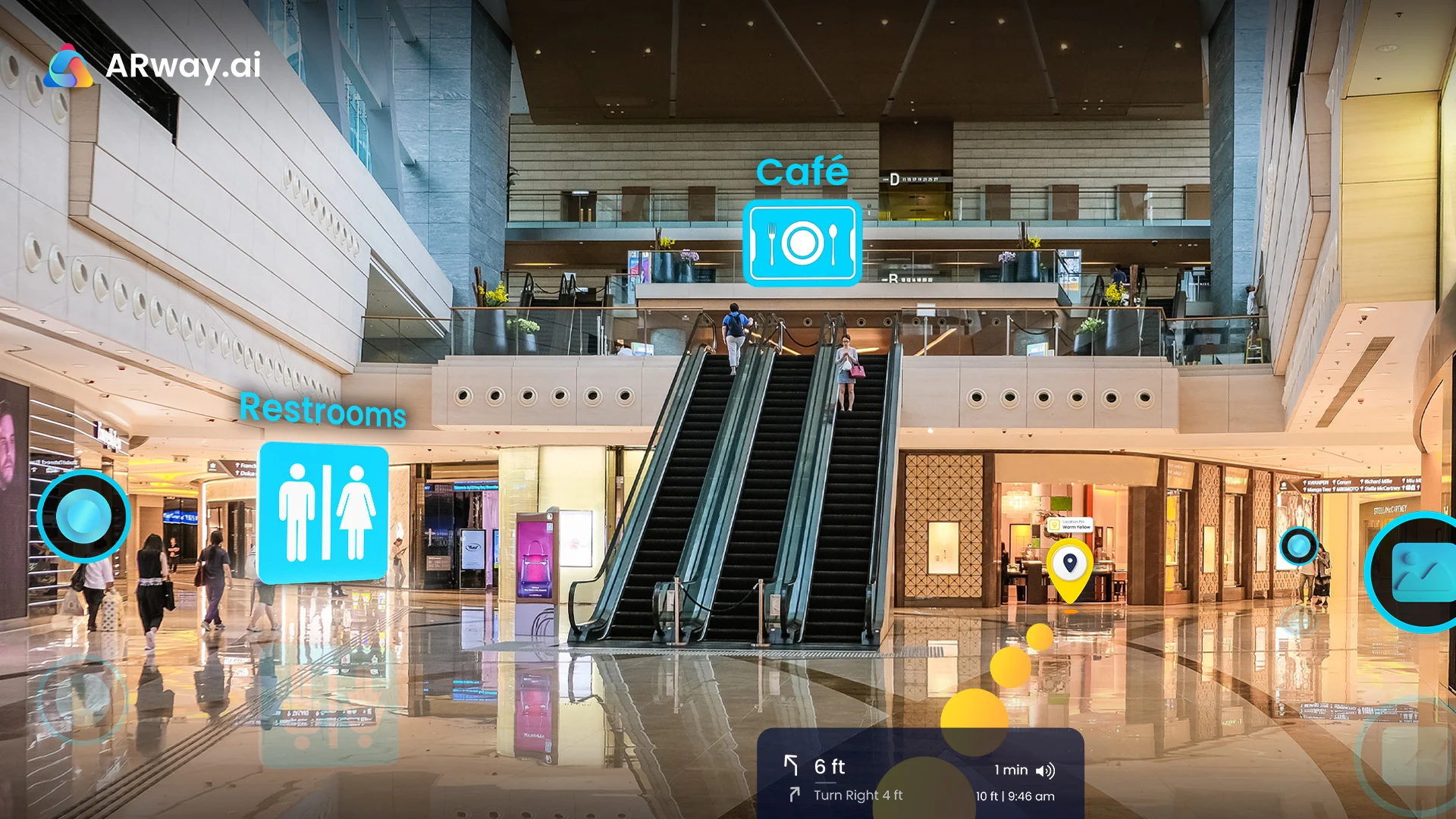
    Augmented Reality is transforming how travelers experience destinations by overlaying useful, location-based information onto the real world. Using smartphones or AR glasses, tourists can view historical facts, navigation guidance, translations, reviews, and cultural insights directly on top of landmarks, streets, or exhibits. Museums and heritage sites use AR to bring history to life by reconstructing ancient structures, animating artifacts, or telling stories tied to specific locations. This allows travelers to explore at their own pace while gaining deeper context and understanding without relying on guidebooks or group tours.

    Mixed Reality expands these experiences by enabling more immersive and interactive storytelling. MR can place life-scale reconstructions, guided narratives, or interactive characters into real environments, creating shared experiences that blend digital and physical tourism. Hotels, attractions, and tour operators can also use MR for staff training and remote expert assistance, improving service quality and operational consistency. As AR and MR hardware becomes more wearable and location-aware, these technologies are shifting tourism toward more personalized, interactive, and self-guided experiences that adapt to each traveler’s interests and surroundings.

    3D product and customer experiences
  • Smarter Journeys: How AI Is Powering the Future of Travel and Tourism

    Artificial intelligence is being widely adopted in the travel and tourism industry to improve personalization, efficiency, and customer experience. AI systems can analyze traveler preferences, behavior, and past bookings to recommend destinations, itineraries, activities, and accommodations tailored to individual interests. Chatbots and virtual assistants handle booking inquiries, itinerary changes, customer support, and multilingual communication around the clock, reducing wait times while improving service availability. For travelers, this results in smoother planning and more relevant recommendations throughout the entire journey.

    Behind the scenes, AI helps tourism operators optimize pricing, staffing, demand forecasting, and logistics. Airlines, hotels, and travel platforms use AI to predict travel trends, manage dynamic pricing, and reduce operational costs while maintaining service quality. AI is also used to detect fraud, manage reviews, and analyze customer feedback at scale, helping businesses respond quickly to issues and improve offerings. By automating routine tasks and delivering actionable insights, AI allows tourism professionals to focus more on creating memorable experiences rather than managing complexity.

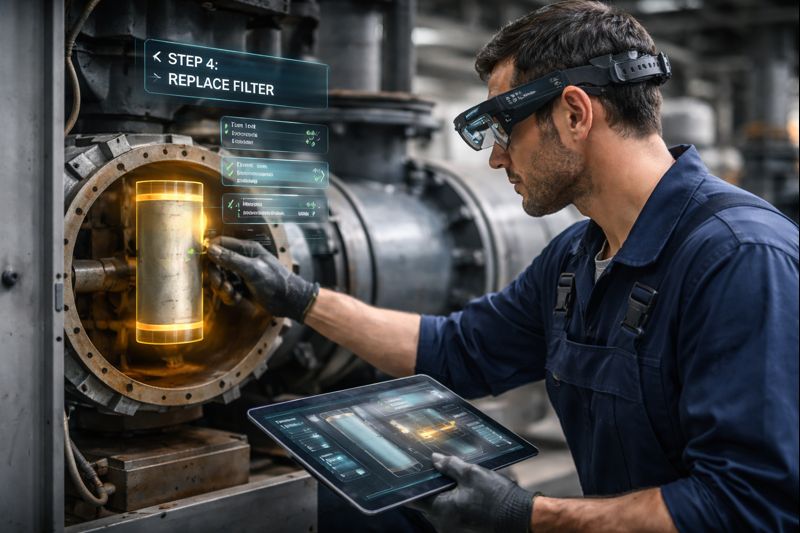
    Spatial tools for field teams
  • Exploring Destinations Online

    The 3D web is enabling interactive, browser-based tourism experiences that allow travelers to explore destinations digitally without installing apps or specialized software. Travel companies and tourism boards can create 3D maps, virtual walkthroughs of hotels, attractions, and cities, and interactive storytelling experiences that run directly in a web browser. These experiences help travelers understand layouts, scale, and atmosphere far better than photos or videos, making trip planning more engaging and informative. Because they are web-based, these tools are easily accessible across devices and can be shared instantly through links.

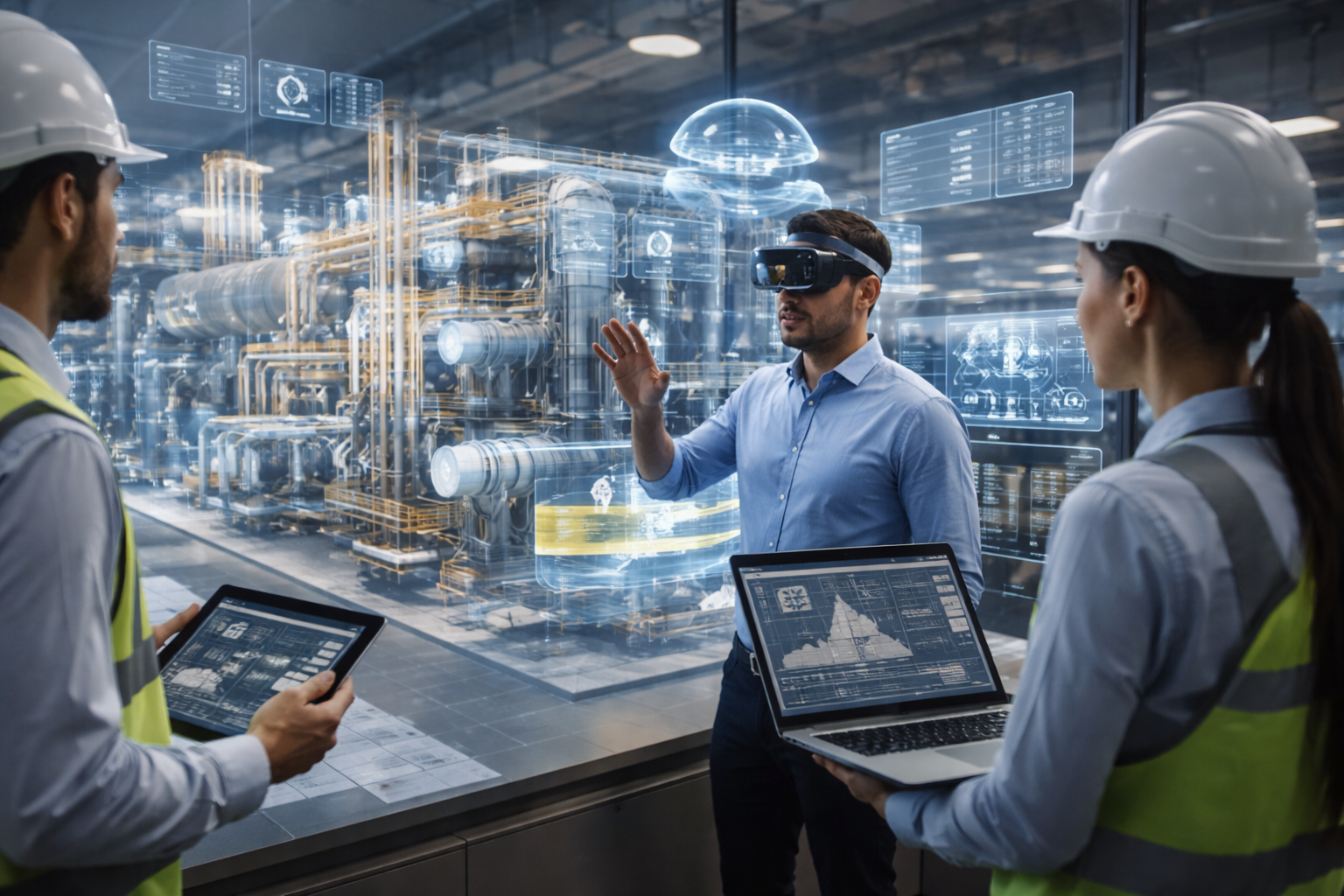
    Beyond planning, the 3D web opens new possibilities for education, marketing, and engagement. Digital twins of destinations, resorts, or cruise ships can be used for training staff, testing layouts, or previewing upgrades. When integrated with booking systems or gamified experiences, 3D web platforms can encourage exploration, reward discovery, and guide users through curated travel journeys. As web graphics and performance continue to improve, the 3D web is becoming a powerful foundation for scalable, interactive tourism experiences that bridge inspiration, planning, and storytelling in a single accessible medium.

    AI insights and automation

Discover Our Projects & Client Results

We partner with innovators in construction, manufacturing, retail, and architecture to bring immersive solutions to life. From training to sales to operations.

How We Work With You To Deliver

Every organisation is at a different point in their XR and AI journey. Our process is designed to meet you where you are, whether you are exploring an idea, validating a concept, or scaling an existing solution.

01. Discovery & Strategy

We start by understanding your goals, users, operational context, and existing systems. Through collaborative workshops and conversations, we identify high value use cases, define clear success metrics, and establish a practical roadmap aligned to your business priorities.

02. Concept Design & Prototyping

We turn early ideas into simple visuals and hands-on demos that people can see and use. This helps everyone agree on what is being built, test ideas early, and fix issues before investing time and budget into full development.

03. Development & Integration

Our team builds the solution using production ready tools and proven workflows. This includes 3D content, interaction design, backend services, system integrations, and AI components. We deliver in structured milestones so progress is visible and testable throughout.

04. Deployment & Ongoing Support

We support deployment into real world environments and help ensure a smooth rollout. After launch, we can assist with feedback collection, performance optimisation, and iterative improvements, providing ongoing support if you need it.

Ready To Start A New Project?

Tell us about your idea, use case, or challenge and we will respond with clear options and recommended next steps. No jargon and no pressure.